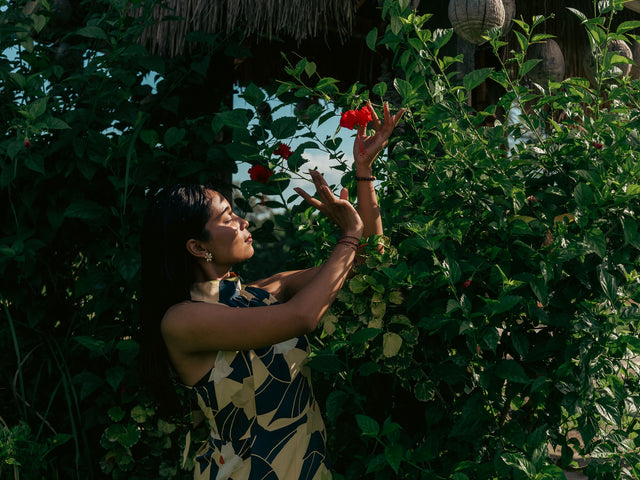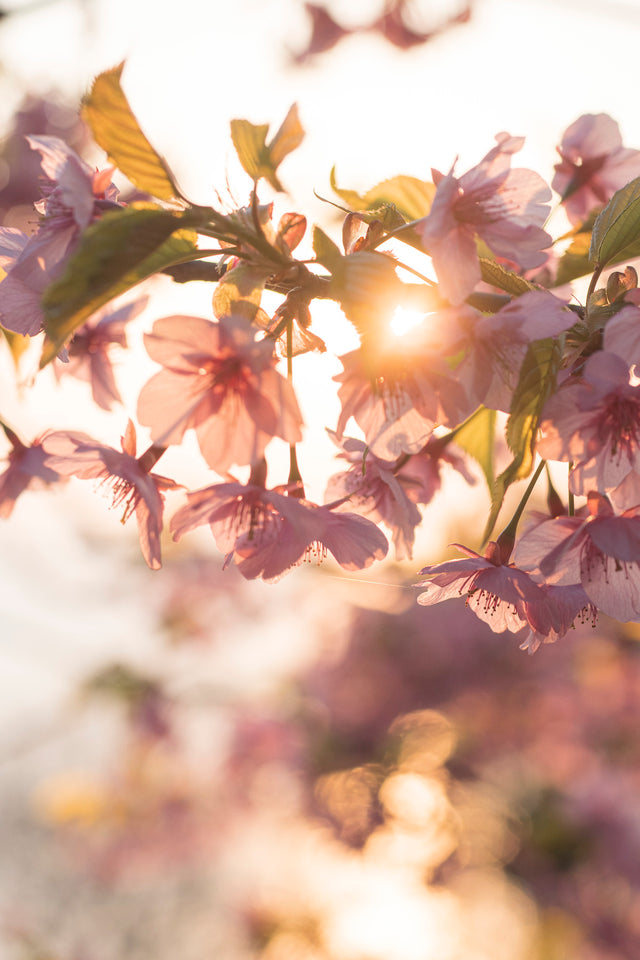
Garments and the scenery beyond
We and this earth cannot be separated.
The items we present at Tsuruto make us aware of the deep bond between people and nature.
And from the patterns and colors of the kimono we handle each day, we learn this country's attitude toward nature.
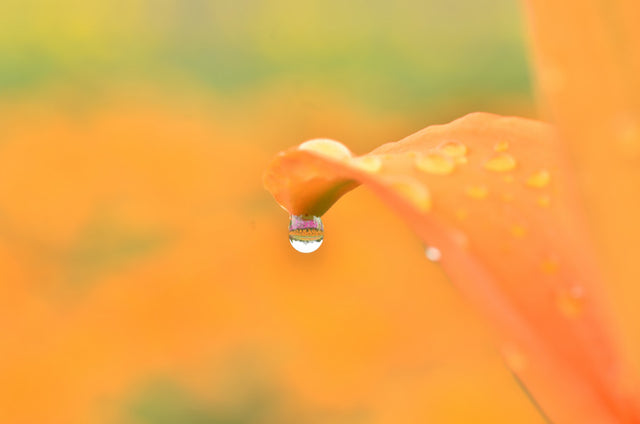
With photographs of nature and flowers by photographer Hidetaka Nobu, we share the scenery we have met.
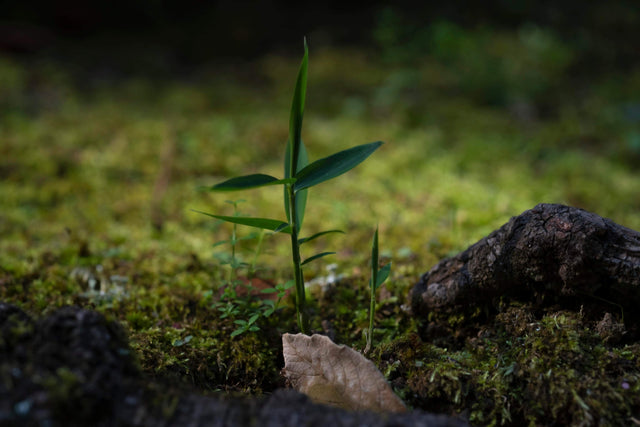
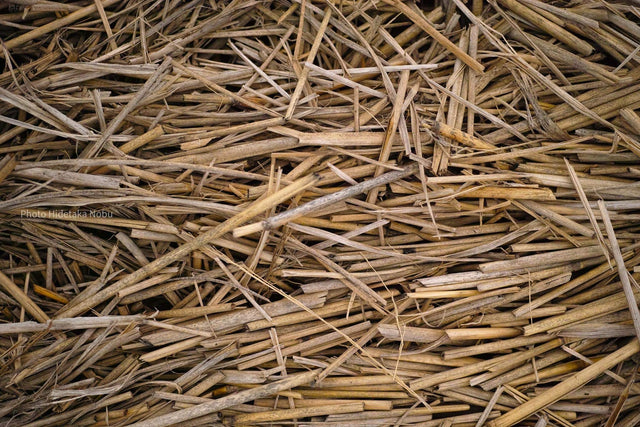
Materials
The fabrics and threads that become our garments are all borrowed from nature.
And in the end, returned to the earth, they cycle onward.
Yet that process — from borrowing to becoming clothing — is a very long road. Today, thanks to remarkable skill and human effort, garments can be made from any material.
Material and craft come together to bring us comfort.
If what we borrow from the earth plays a part in the comfort of daily life, then surely there is something we, too, can return to it.
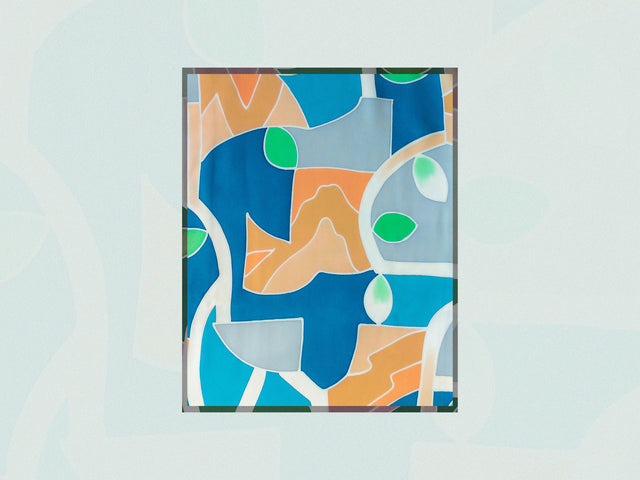
Why we love kimono.
It is because, as in the image above, there is a Japanese graphic art — bold yet delicate, beauty and freedom intermingled.
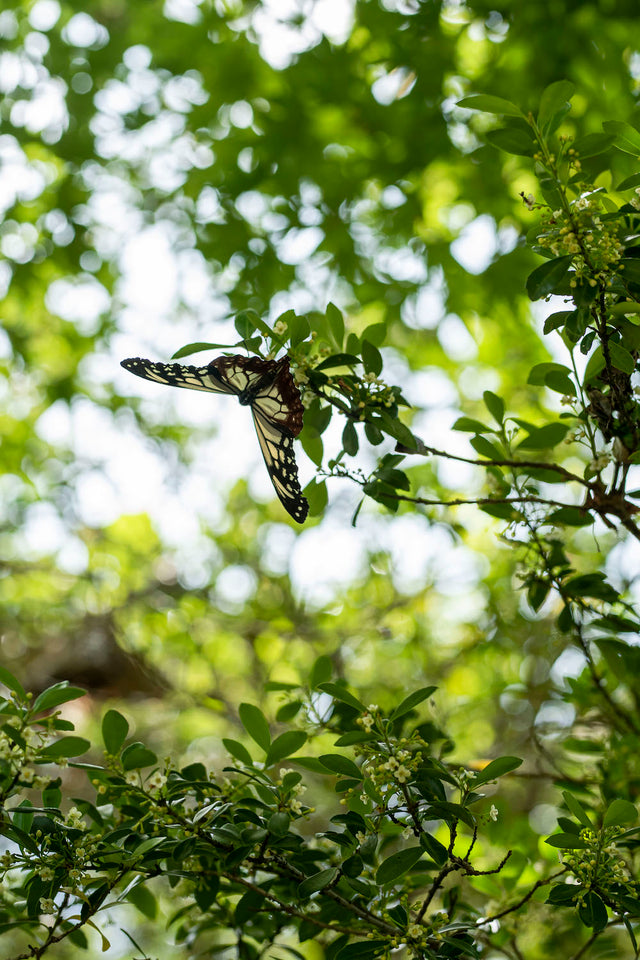
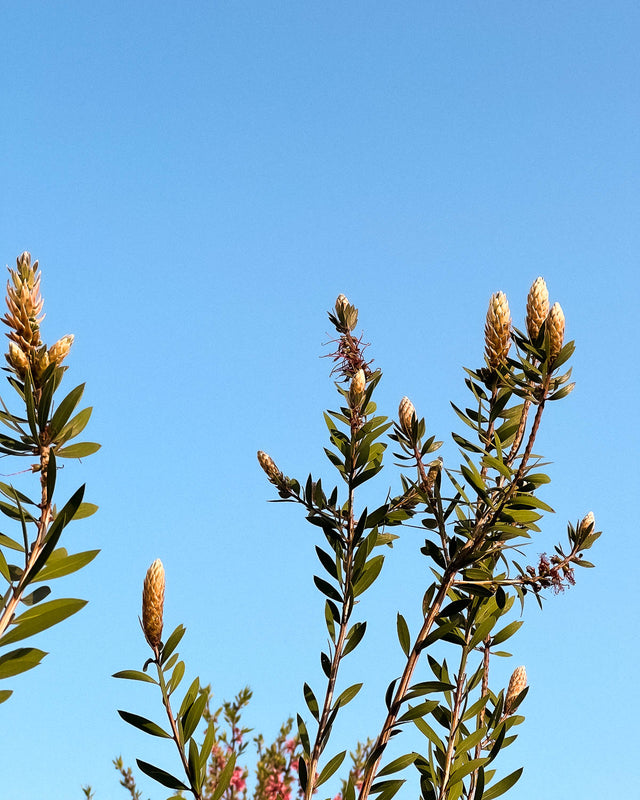
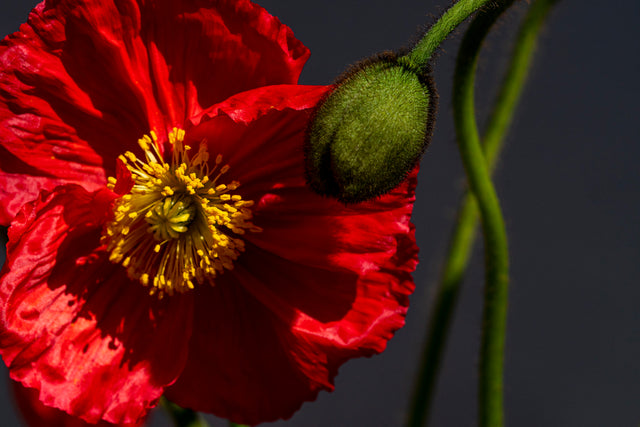
Subjects
The scenes drawn on kimono are many: plants, living creatures, landscapes.
What draws the heart of the one who depicts them is expressed on the kimono — and that is art itself.


Living here
Life differs from place to place. Season, climate and culture are there, and through travel we share in that richness.
Beyond travel, there are connections with the world in daily life, too.
Those connections rest on exchange — between people, we exchange many things.
And yet, imbalances remain in the lives of people still on the way to development. Hoping to help resolve them even a little, Tsuruto began the charity program "Tsuruto & the Earth" in 2021.